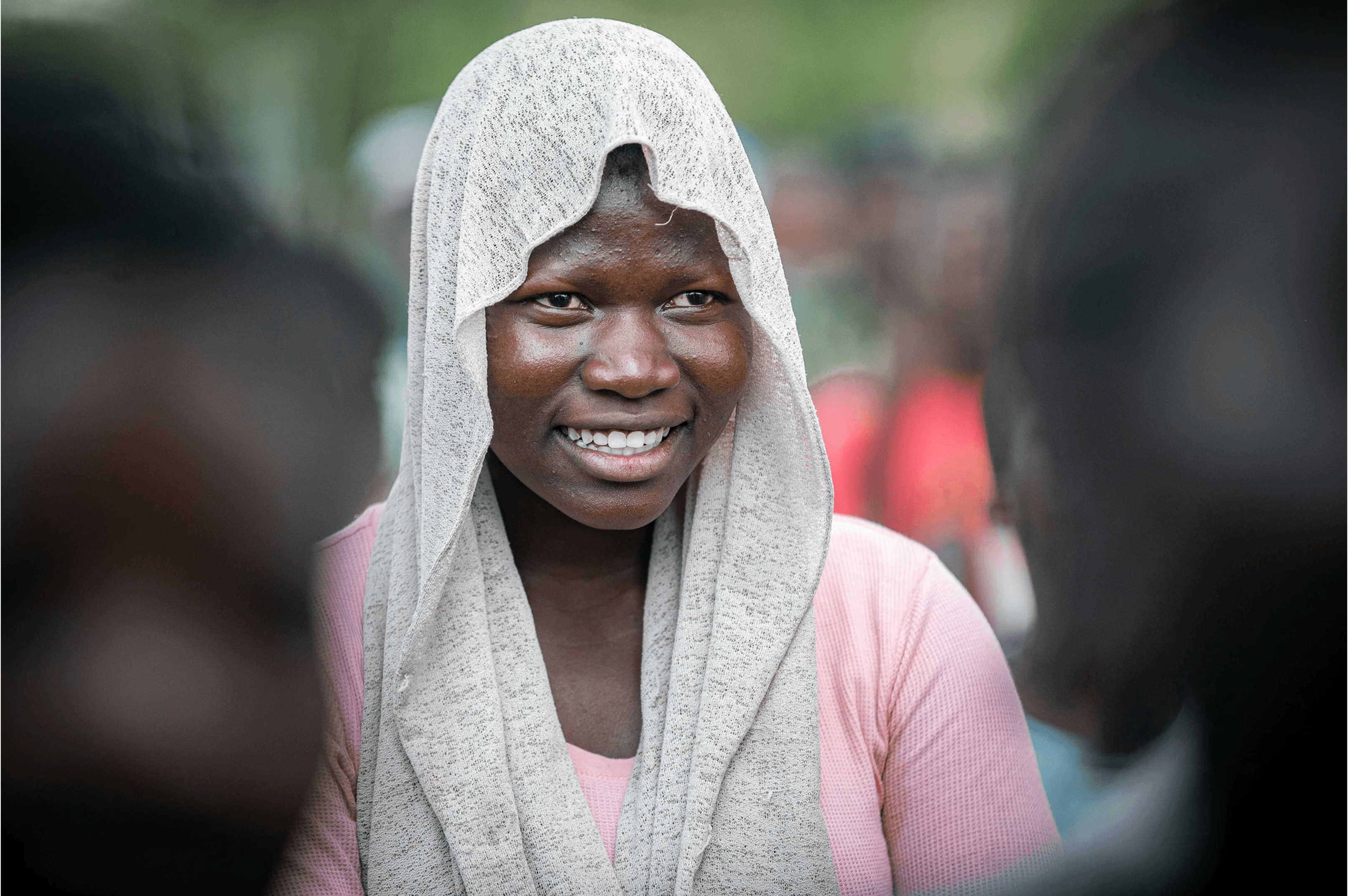
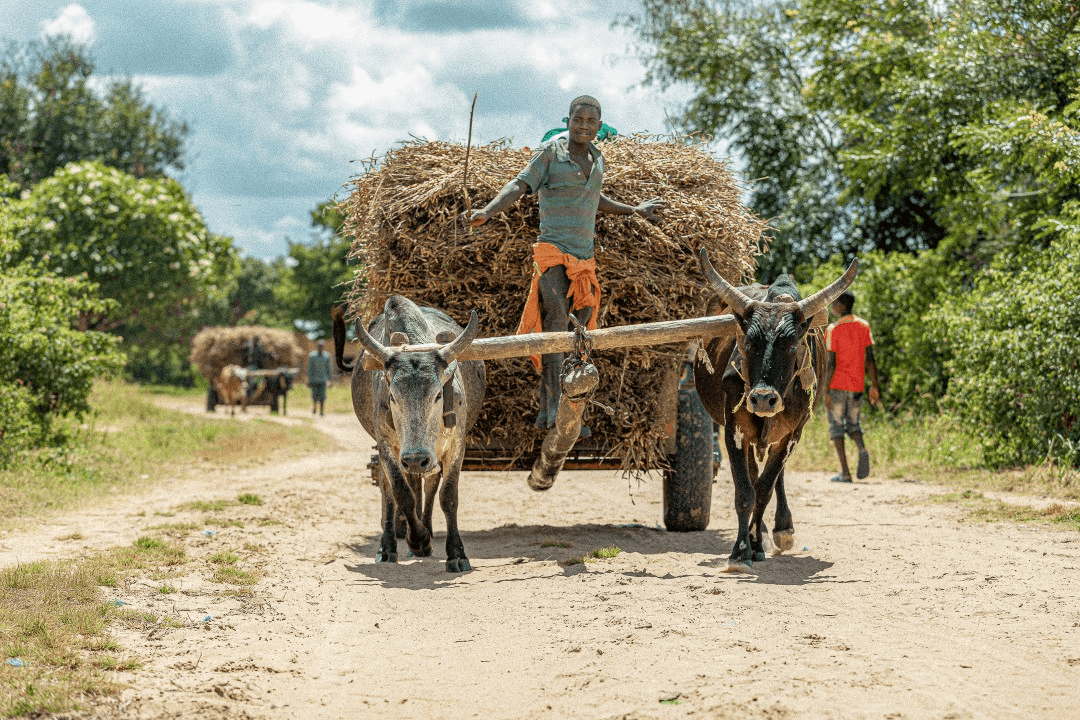
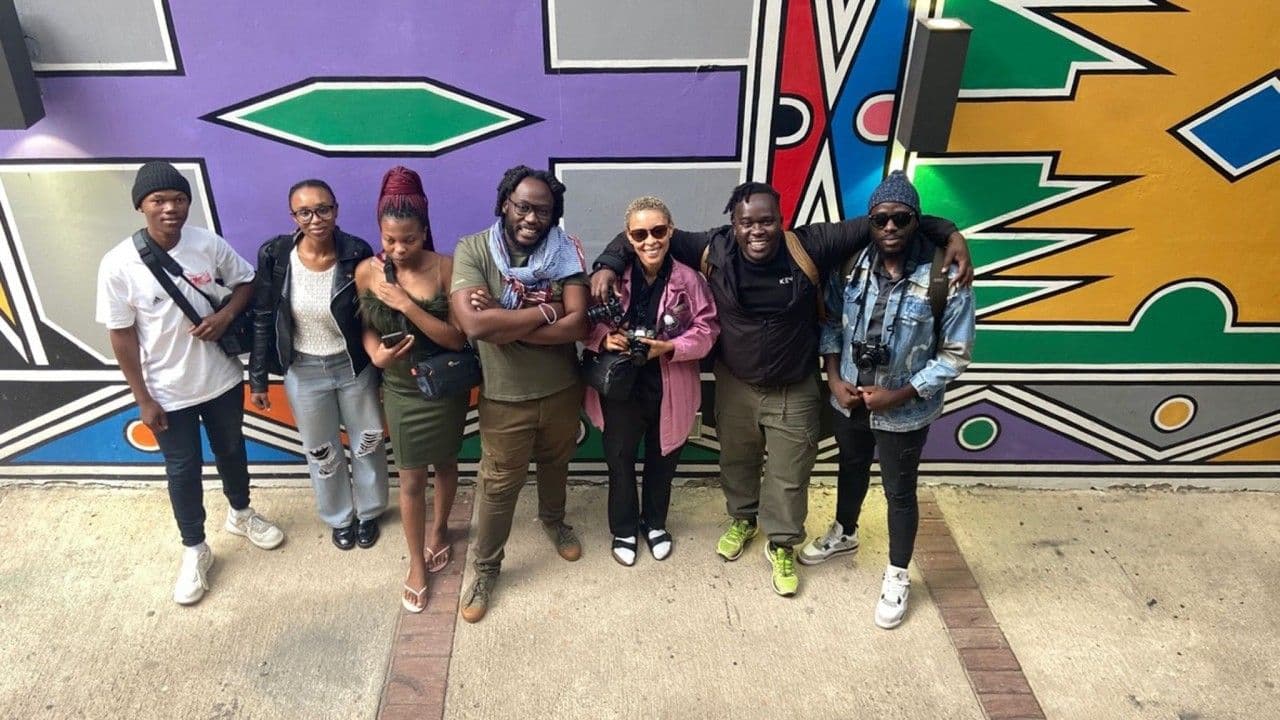
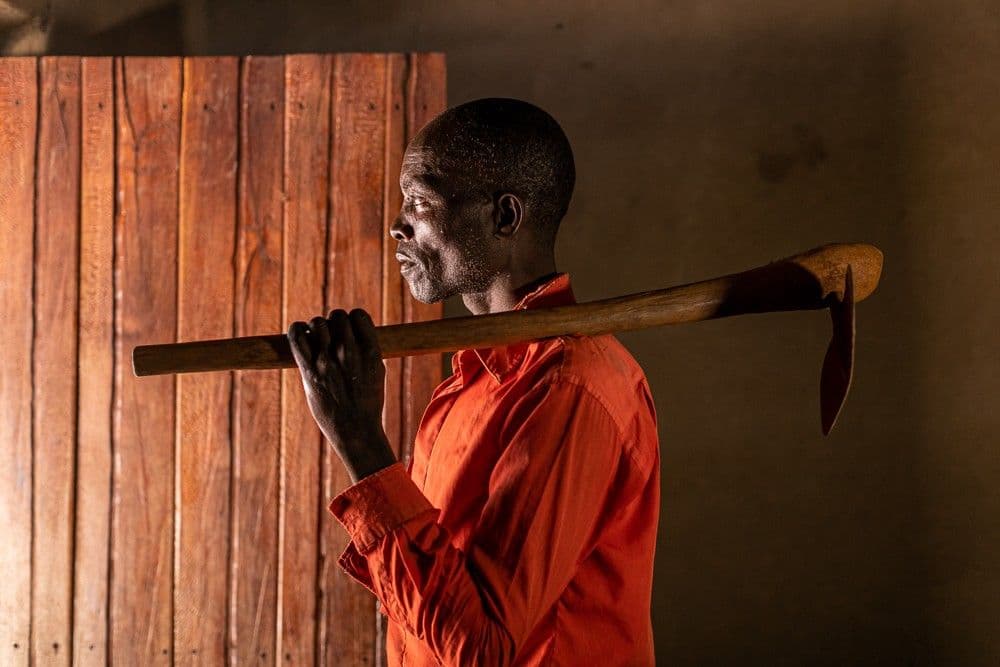
There is something particular about working in a place that is also home. I know the smell of the rainy season before it arrives. I know which roads flood and which markets close early on Fridays. I know how people greet each other in the morning, what that greeting actually means, and what it does not mean. This insider knowledge is a gift — it removes certain barriers that other documentarians spend weeks trying to cross. But it also creates its own difficulty. Familiarity can dull the eye. When you have seen something your whole life, you stop noticing it. And noticing is the whole work.
I have been spending time in the field these past weeks, moving through communities, paying attention to the rhythms of daily life. [Placeholder — specific locations and encounters to be added.] What I can say is that the work has been slow in the way that honest documentation always is. You do not arrive and immediately understand. You sit. You wait. You observe. You let people become comfortable with your presence before you ask anything of them. Some days I come home with very little — a few frames, a conversation that went nowhere, a light that was wrong. Those days are not wasted. They are part of the process of becoming trustworthy.
This time in the field has opened up questions I have not been able to resolve. When I document people I grew up near, people who share my language and my history, am I seeing them more clearly — or am I seeing them through the filter of everything I already believe about this place? Is proximity a form of understanding, or can it be a form of assumption? I find myself wondering whether the distance that an outsider carries — the distance I sometimes envy — might actually produce a different kind of attention, not better, but different. I do not have an answer. I am not sure the question has one.
What working in Malawi has taught me, slowly and sometimes uncomfortably, is that proximity and understanding are not the same thing. Being close to something does not mean you see it clearly. It means you have access — which is valuable — but access still has to be turned into attention, and attention into something honest. The human reality of this place is not a single thing I can summarise. It is layered, contradictory, full of dignity and difficulty existing side by side. My job is not to resolve that complexity but to stay grounded inside it, to document what is actually there rather than what I expect to find. That discipline is harder when you are home. The temptation to confirm what you already know is real.
I am still in the middle of this work. I do not have conclusions to offer, and I am wary of the kind of field notes that arrive too neatly packaged. What I have is a set of images I am still thinking about, a few conversations that have stayed with me, and a growing sense that the most important thing I can do is keep paying attention — carefully, honestly, without rushing toward meaning. Malawi is not a subject to me. It is where I am from. That changes everything about how I work here, and I am still learning what that means.