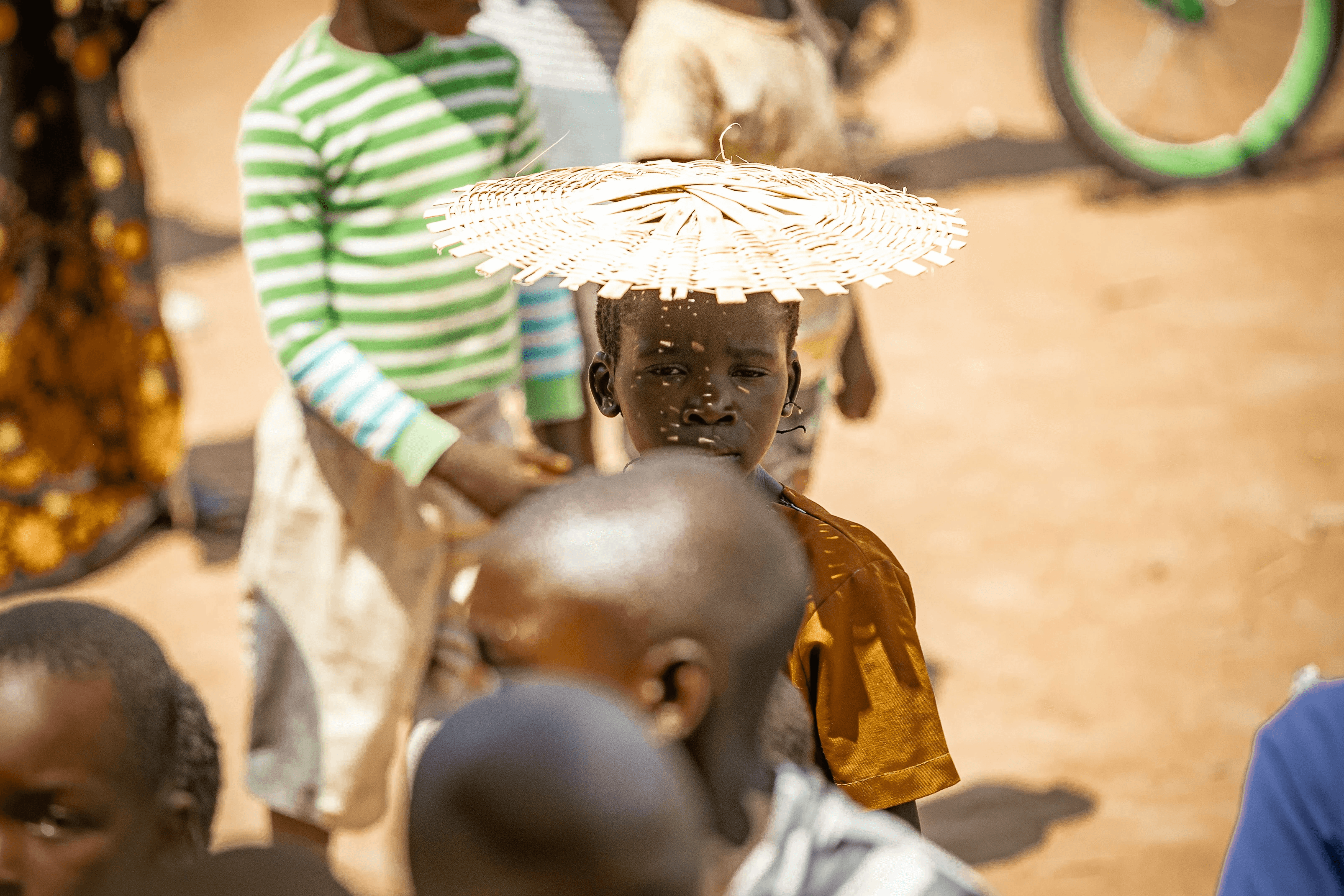
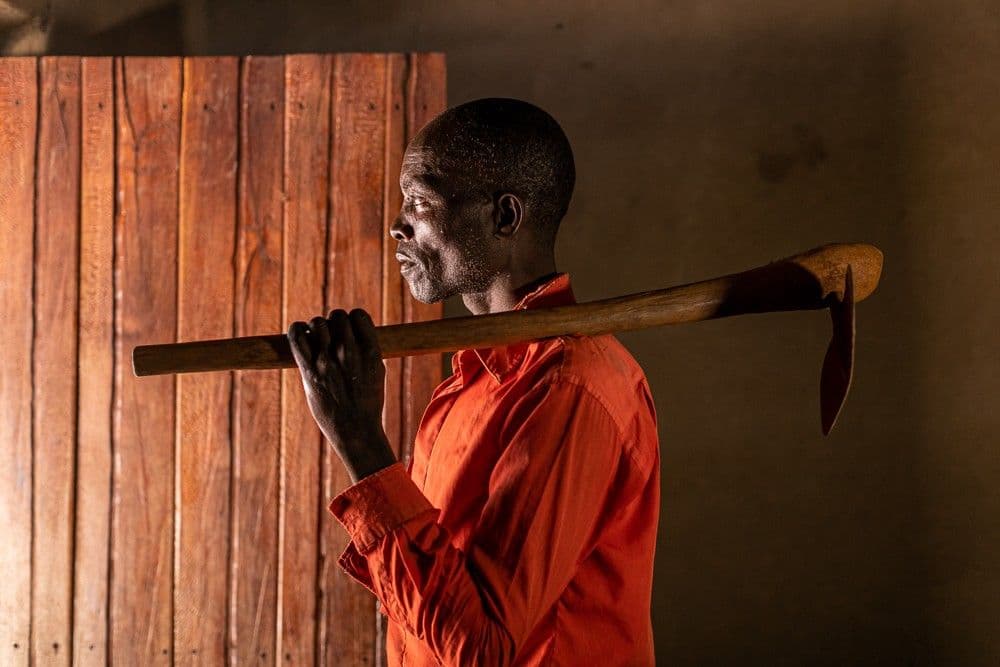
The best documentary work leaves the viewer with the sense that they have been introduced to a human being not a type, not a symbol, not a problem. That feeling does not happen by accident.
20 June 2026 · 5 min read
There is a kind of documentary work that I have seen many times and, if I am honest, have sometimes made myself where the person in front of the lens becomes something other than a person. They become a symbol of poverty, or resilience, or suffering, or hope. They become an illustration of a point the maker has already decided to make. The image may be technically strong. The story may be widely shared. But somewhere in the process, the human reality of that individual has been quietly set aside, replaced by a role they were never asked to play. I have come to believe that this is one of the most serious failures a documentary storyteller can commit not because it is always malicious, but because it is so easy, and so common, and so rarely named.
What separates work where people still feel like full human beings is not a technique. It is not a lens choice or a compositional rule. It is proximity — real proximity, built over time, through genuine curiosity and care. It is the willingness to sit with someone long enough that they stop performing for you, and you stop performing for them. It is the practitioner’s own willingness to be changed by what they encounter. When I have done my best work, I have arrived with questions and left with different questions. I have had my assumptions quietly dismantled. I have found complexity where I expected simplicity, and I have had to decide whether to honour that complexity or smooth it away for the sake of a cleaner story. The work that honours it is harder to make and harder to place. It is also the only work I am proud of.
The problem with work that uses people as evidence for a predetermined argument is that it cannot afford to let them be fully human. Full humanity is inconvenient. People contradict themselves. They hold grief and joy in the same afternoon. They resist the categories we bring to them. If you have already decided what a person represents before you have spent real time with them, you will document only the parts that confirm what you already believe, and you will discard or ignore the rest. This is not storytelling. It is illustration. And the people who are illustrated in this way — who are reduced to types or symbols or proof — deserve better than that.
To leave space for full humanity in documentary work demands something uncomfortable from the person making it: the willingness to not know. It demands that you enter a situation without a fixed conclusion, that you allow the story to become something you did not plan. It demands that you represent people with the same dignity you would want for yourself — not as victims, not as heroes, not as evidence, but as people whose lives are as layered and contradictory and irreducible as your own. This is what I try to do when I work in Malawi, in the communities I have known for years and the ones I am only beginning to understand. I do not always succeed. But I believe the trying is the work, and the care behind it is what makes the difference between a document and a testament.