After Freddy: Rebuilding Rural Livelihoods
One year after Cyclone Freddy, I followed three rural Malawians rebuilding through livestock, water and soil conservation, diversified farming and inc...
- Client
- International Fund for Agricultural Development
- Type
- Agriculture
- Year
- —
- Location
- Balaka, Somba and Chiradzulu, Malawi
Intro
Understanding the story
One year after Cyclone Freddy, I followed three rural Malawians rebuilding through livestock, water and soil conservation, diversified farming and inclusive agricultural support.
Cyclone Freddy destroyed homes, flooded fields and killed livestock across southern Malawi in March 2023. For farming households, the work of recovery continued long after the rains stopped.
Context
The wider context
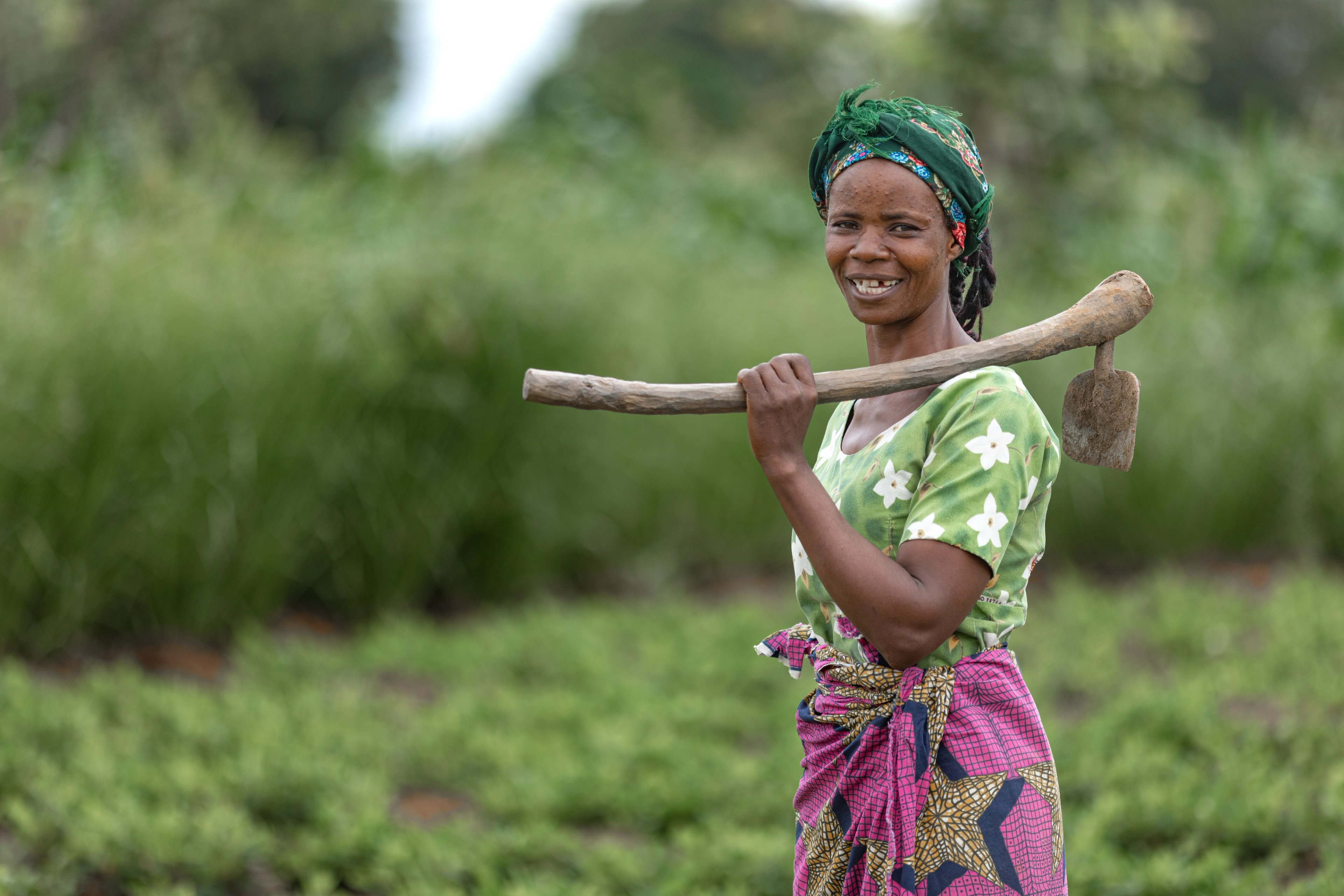
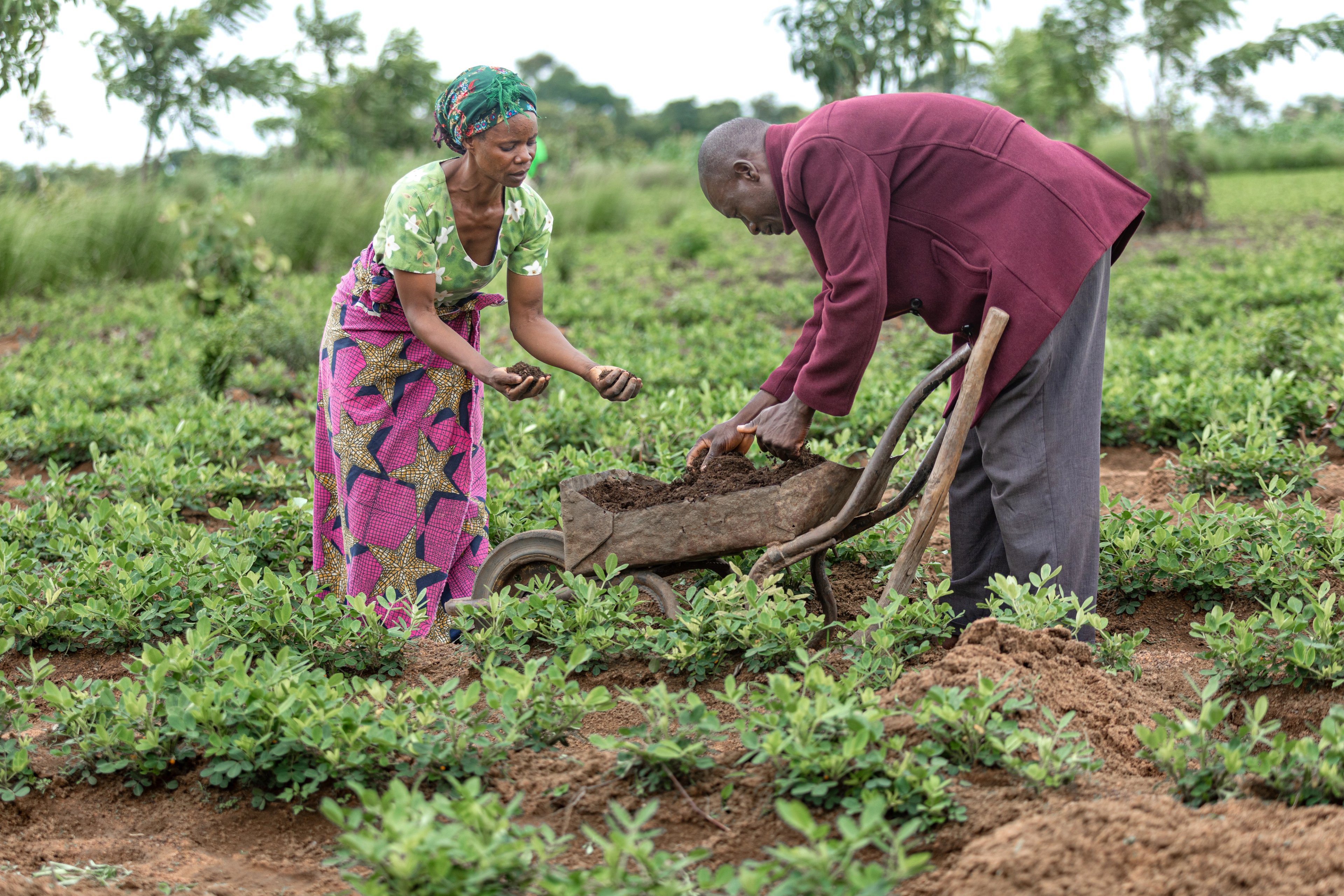
In February 2024, I documented three rural Malawians rebuilding with support from IFAD's Crisis Response Initiative. Their experiences revealed different pathways through recovery: Kondwani McNight and Mwayiwawo rebuilding through livestock, Rhoda Zululu protecting her land through soil and water management, and Emily Simika diversifying her crops with inclusive agricultural support.
Kondwani and Mwayiwawo lost their home, livestock and fields in Balaka. Rabbits and soil-conservation training gave the young couple a place to begin again. The animals offered food and possible income, while their manure could improve the soil and reduce fertiliser costs.
In Somba, floodwater entered Rhoda's home and destroyed her crops. Soybean seed helped her move from household production toward a surplus she could sell. Swales captured rainwater, while grass-covered contour ridges protected the field from erosion.
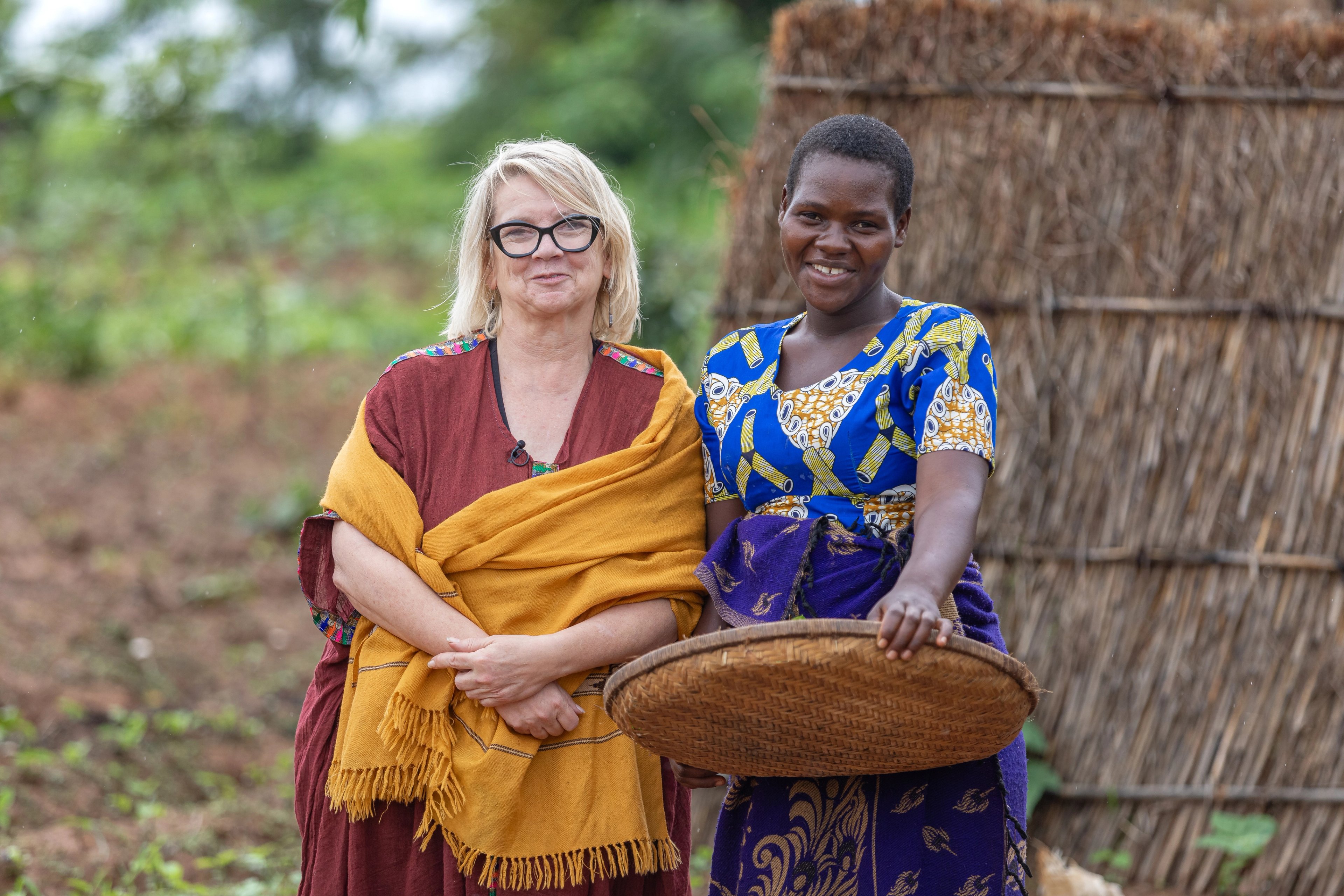
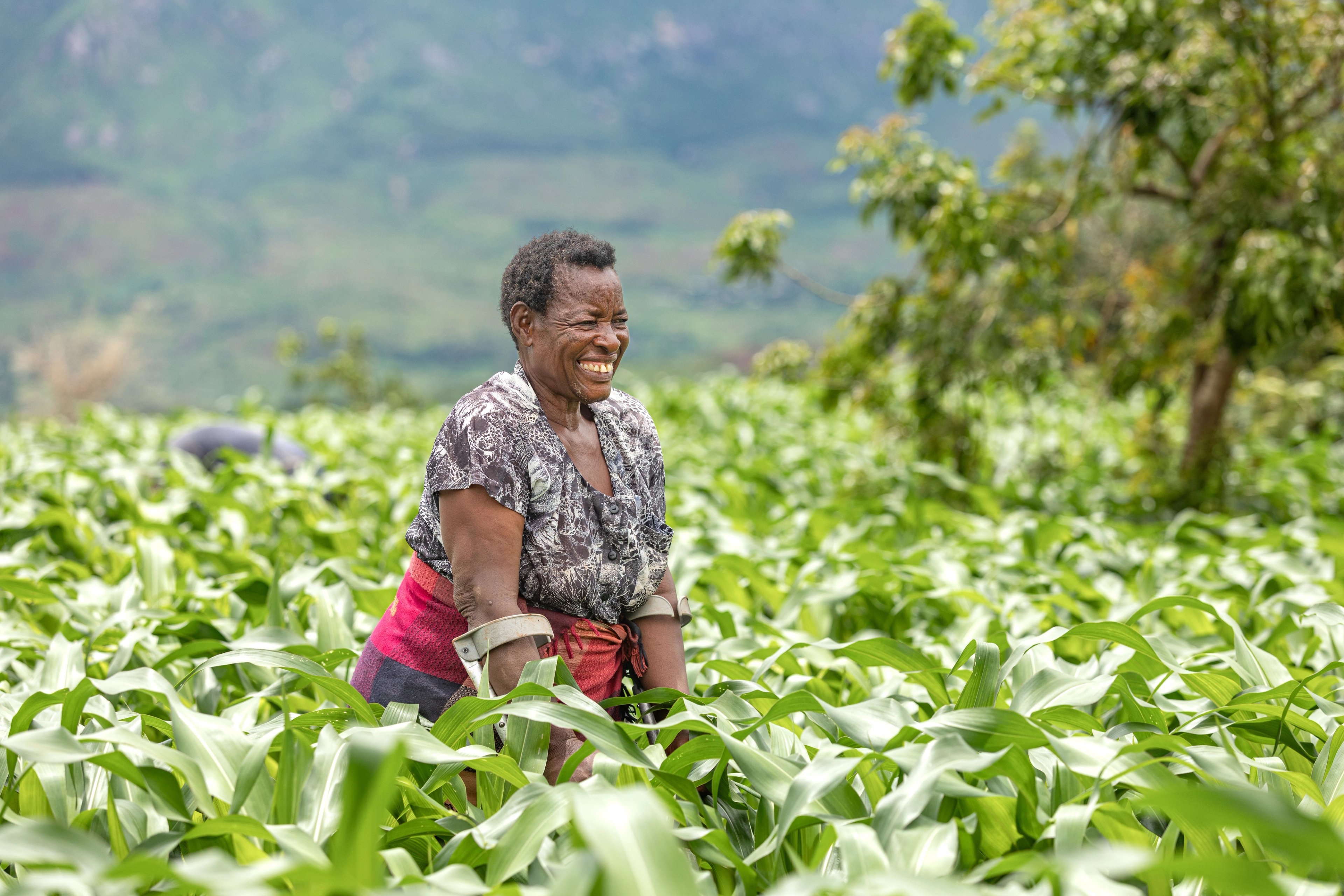
Emily, a widow and farmer living with a disability in Chiradzulu, faced damaged fields and the loss of income from a partially destroyed rental property. Diverse seed and support from an extension worker helped her continue farming while navigating the physical demands of recovery.
Stories about development and livelihoods often risk simplifying people into examples of either hardship or success.
This assignment prioritised context and dignity, ensuring that individuals were represented as participants in their own stories rather than symbols of a programme's achievements.
The work focused on preserving complexity by acknowledging both challenges and progress, while avoiding narratives that reduced people to statistics or outcomes
Approach
How the story was built
The project combined documentary photography, field observation, and conversations with farmers and community members.
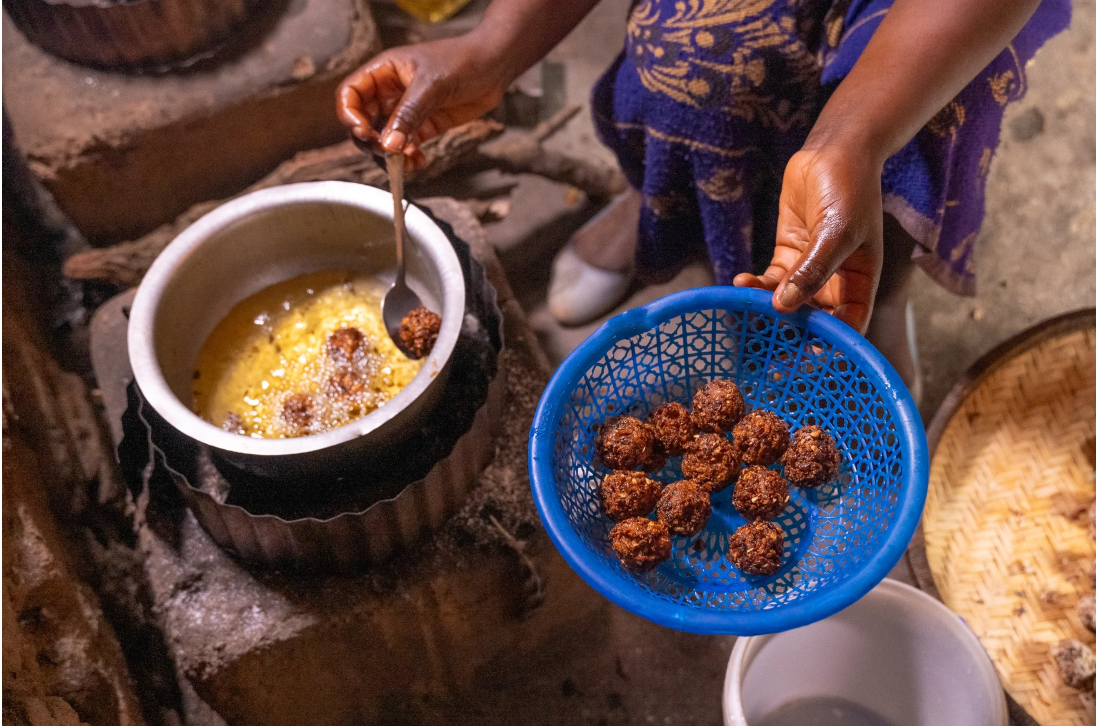
Time was spent understanding how agricultural activities connected to broader aspects of daily life, including family responsibilities, financial decisions, education, and future aspirations.
Rather than focusing solely on project activities, the documentation explored the lived realities surrounding them, creating a fuller picture of how livelihood recovery is experienced on the ground.
Outcome
Recovery appears through care for livestock, restored fields, water management, new crops and the relationships that make continued work possible.
Credits
Full attribution is being prepared.