“I Didn’t Lose My Intelligence to Motherhood”
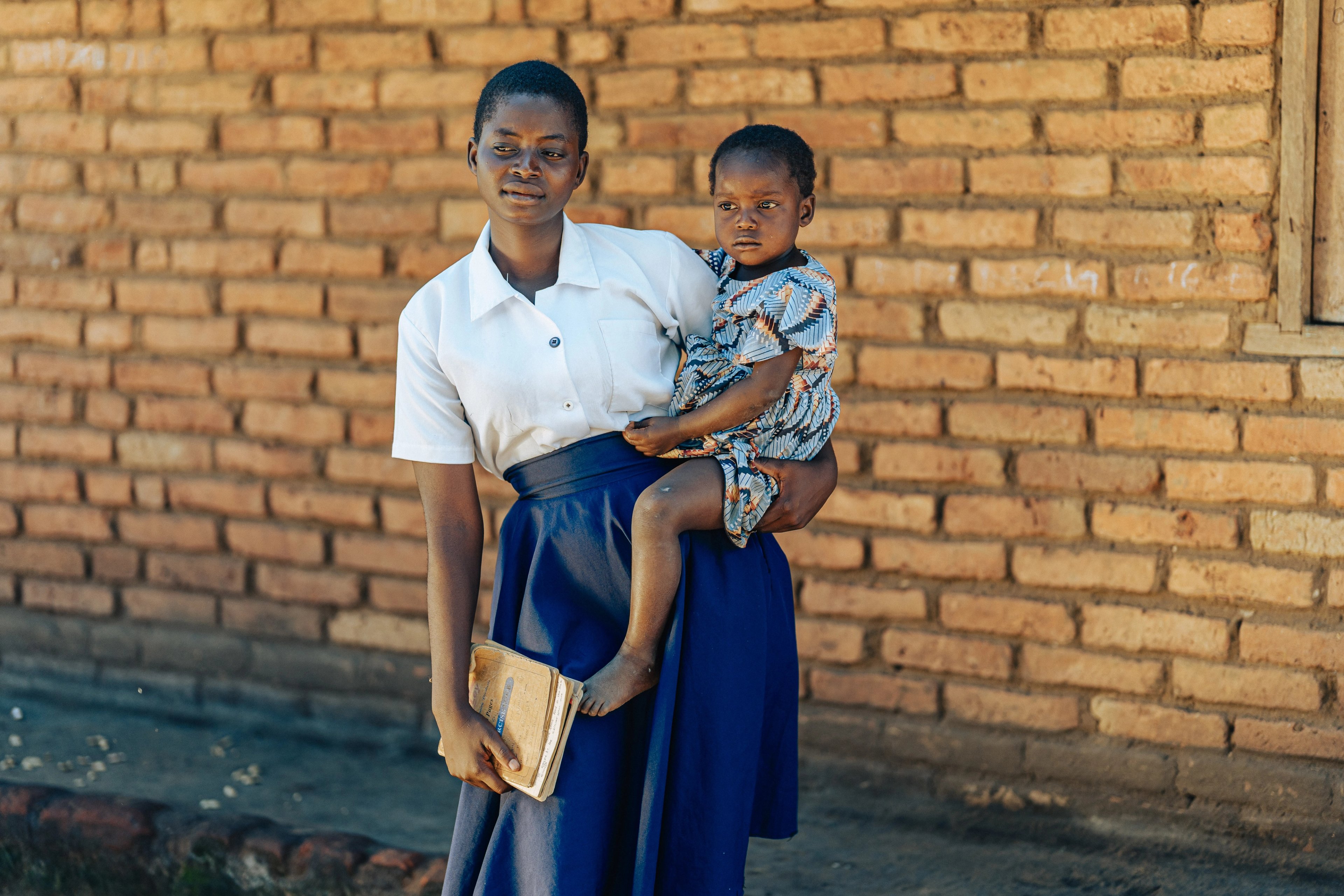
Chinsinsi Banda discovered that she was pregnant after completing her final primary school examinations. She later returned to school while raising he...
- Client
- Ipas
- Type
- Education
- Year
- —
- Location
- Nkhotakota, Malawi
Intro
Understanding the story
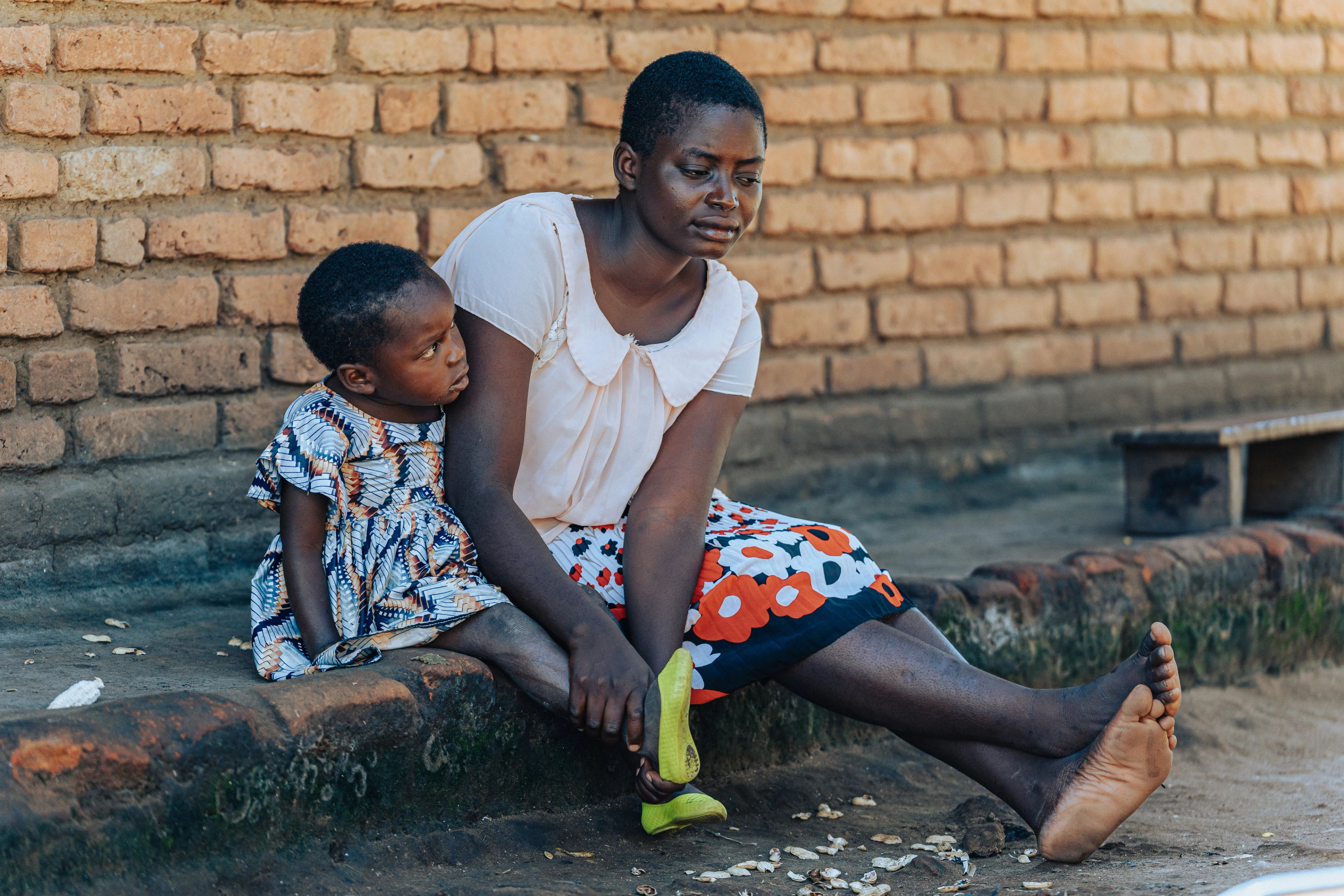
Chinsinsi Banda discovered that she was pregnant after completing her final primary school examinations. She later returned to school while raising her daughter.
Context
The wider context
Ipas commissioned the assignment to document lived experiences behind the connection between child marriage, adolescent pregnancy and school dropout. I led the narrative research, documentary photography, filmed interviews and knowledge-management process with adolescent mothers, parents, peer educators and people working across local support systems.
The work looked beyond pregnancy as an individual event. It examined whether family care, childcare, school access and a trusted person could help a young mother continue learning despite judgement and isolation.
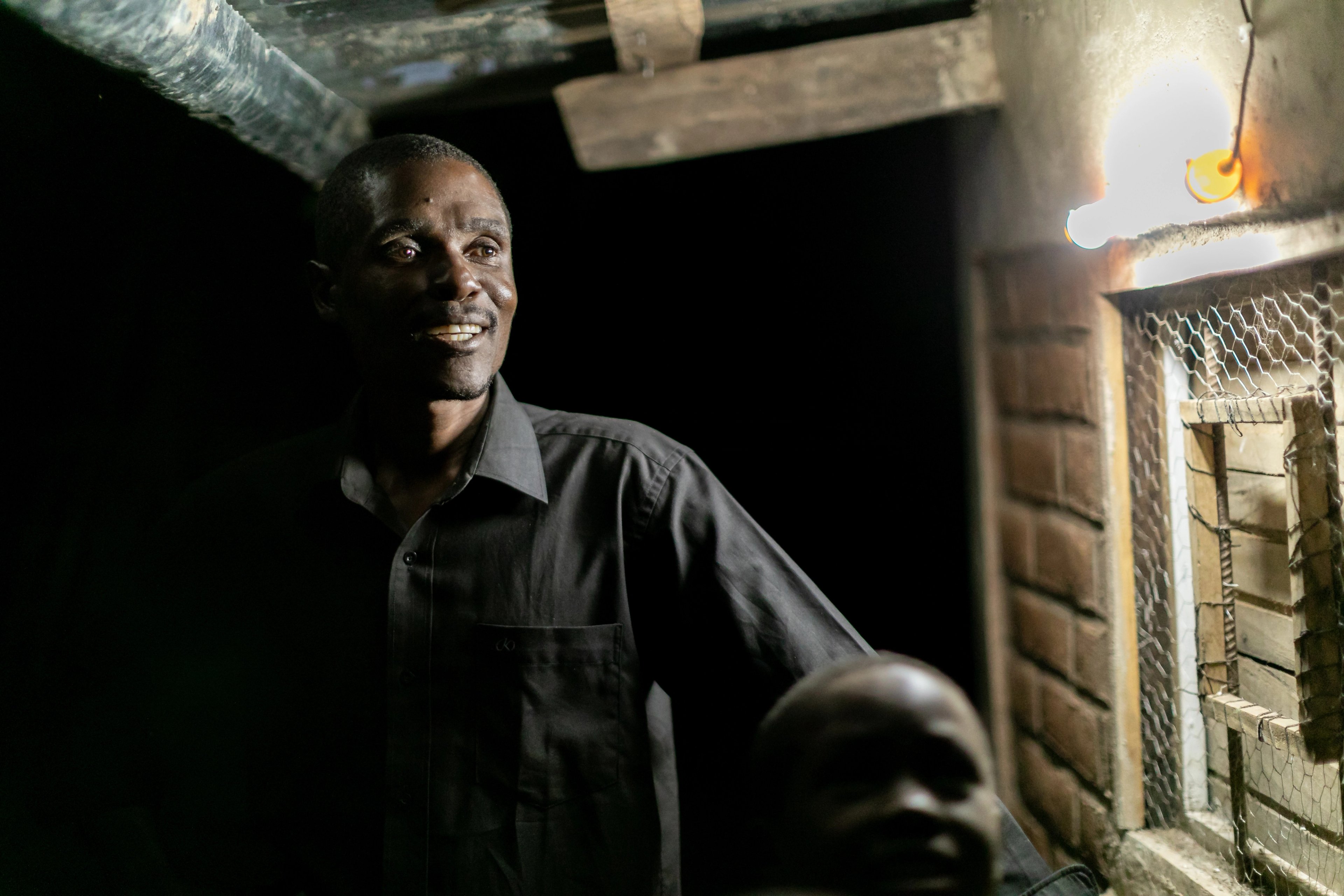
Her return depended on her own determination and the support around her. Her parents continued to believe in her education and helped care for her child. Mervis Katandula, a peer educator and social worker connected to ECOSID, offered psychosocial support and helped her navigate the stigma surrounding adolescent motherhood.
"Some people look down on me because I have a child. They talk to discourage me, but I'm unshaken by the noise. I didn't lose my intelligence to motherhood."
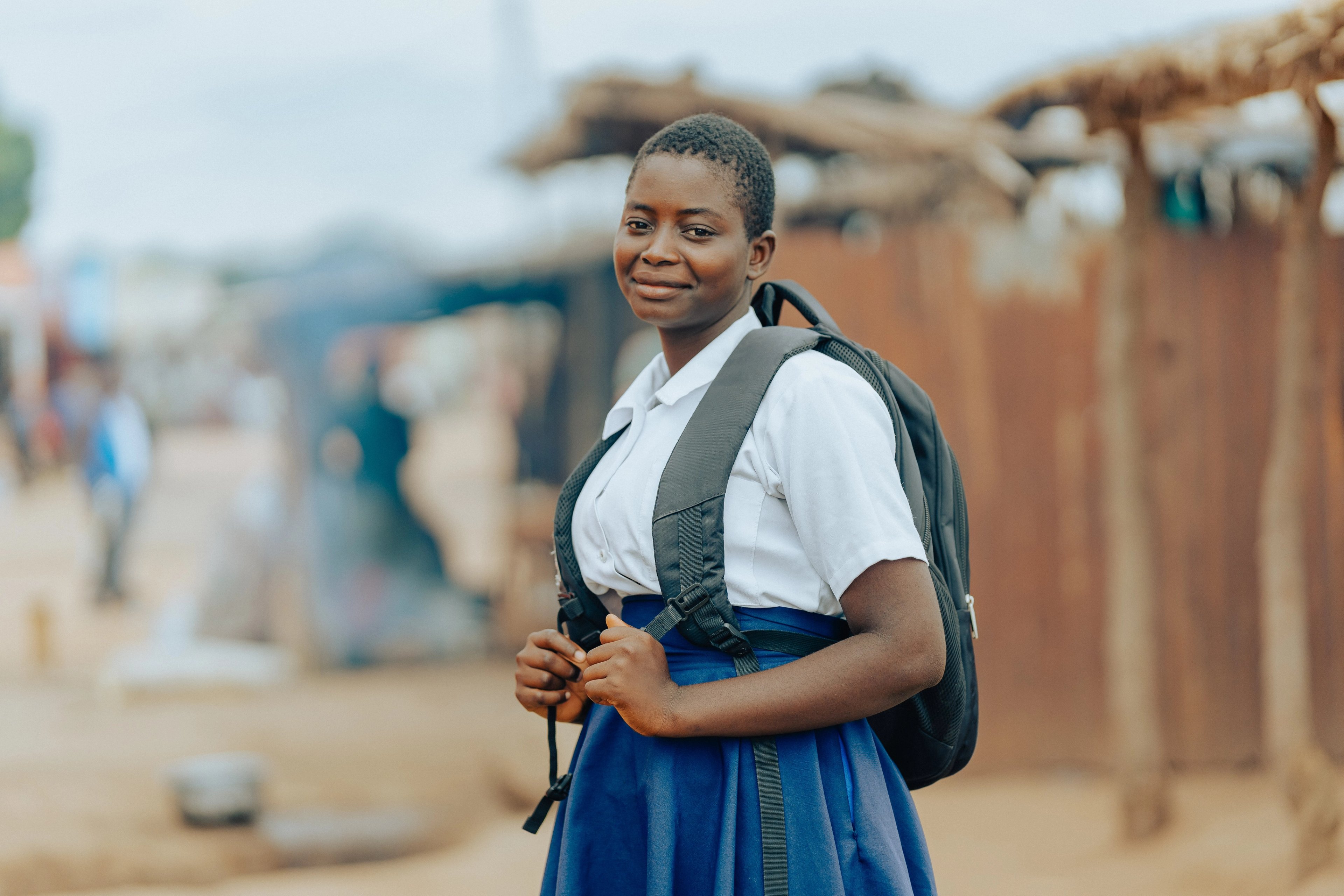
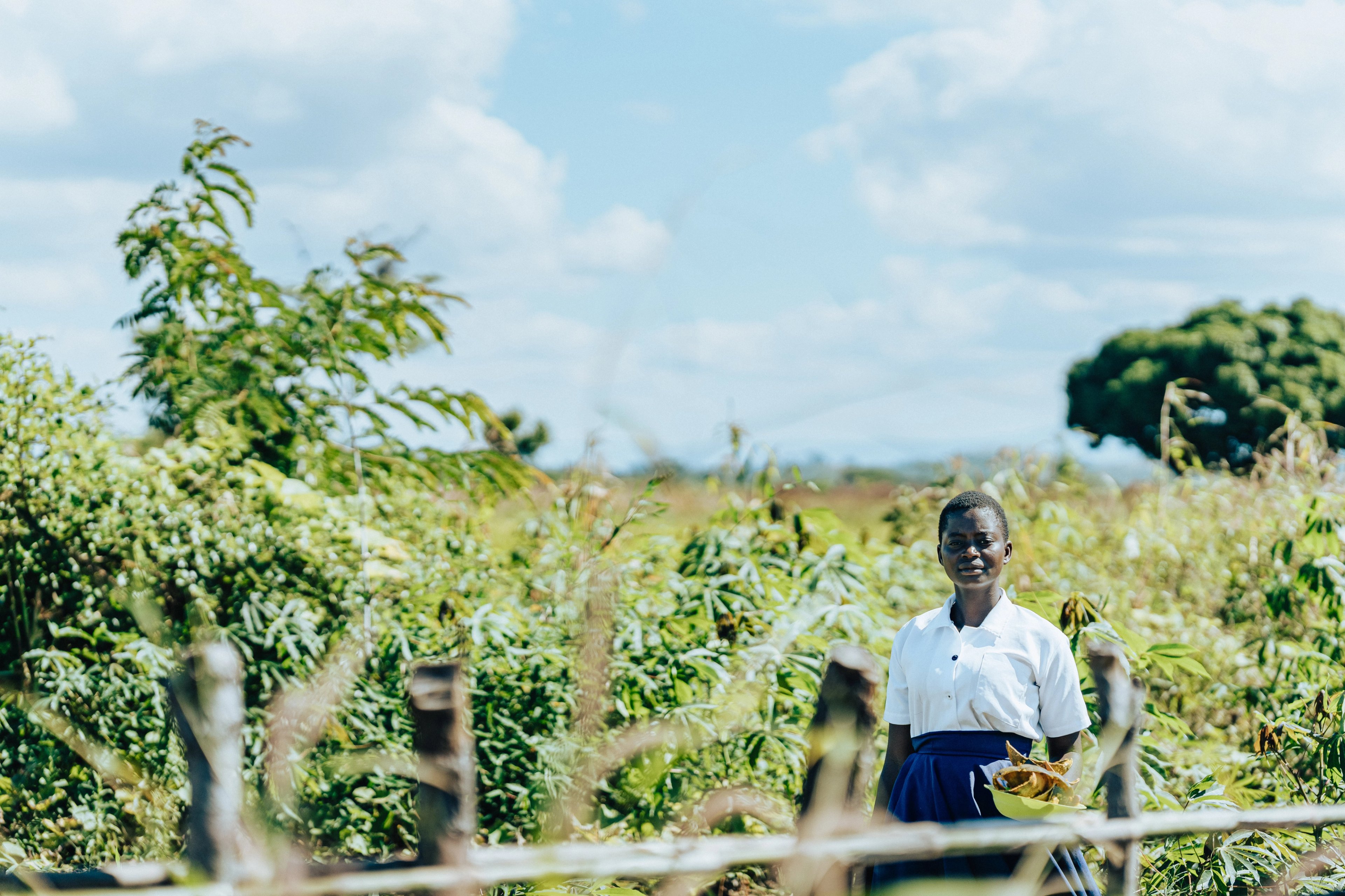
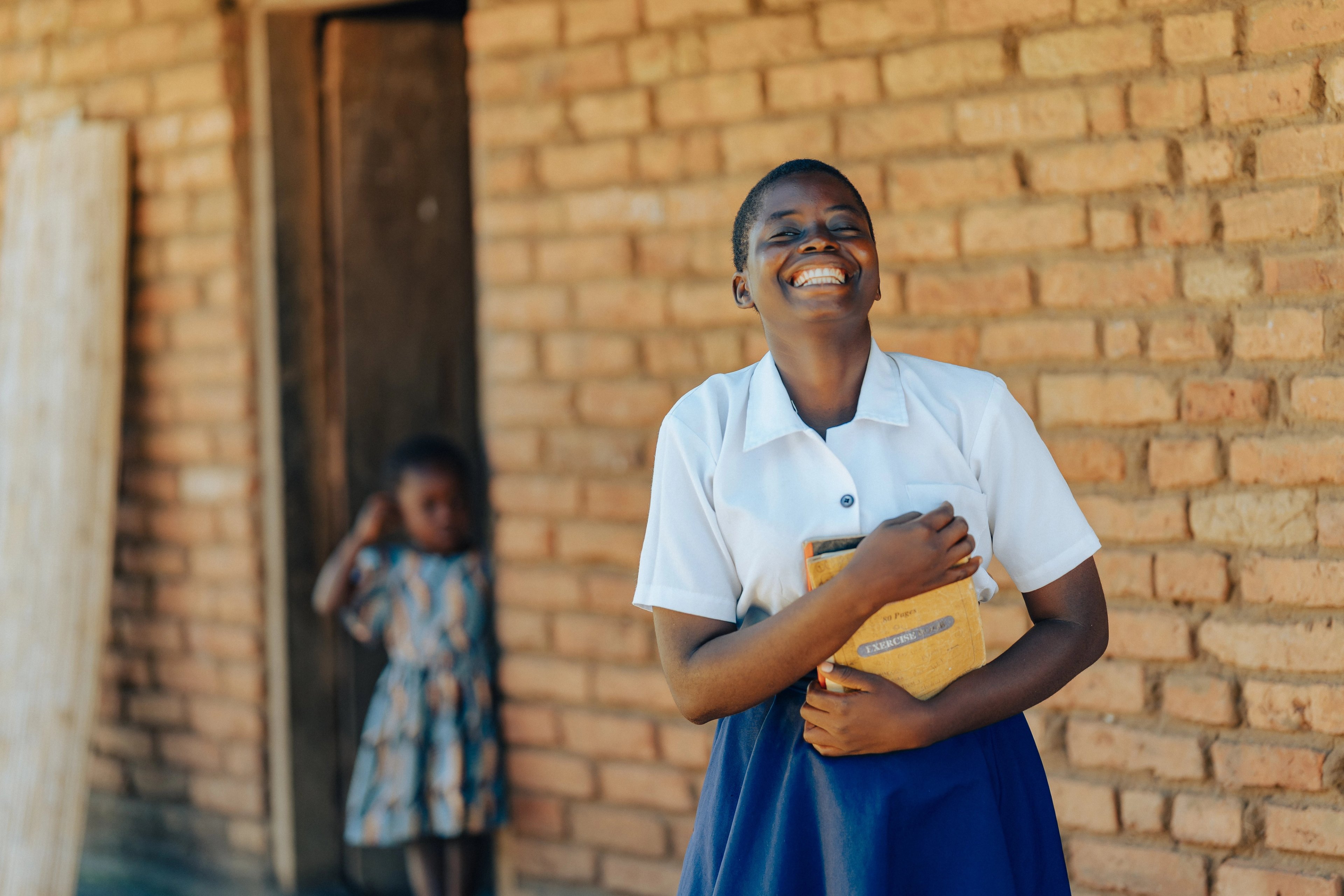
Chinsinsi continues to attend school and hopes to become an agricultural adviser or police officer. Her words reject the assumption that motherhood erased her ability, ambition or right to shape her future.
The assignment involved young participants and sensitive information. Consent explained the purpose and potential use of the material, the right to decline and limits of identification. Parents or guardians participated where necessary, with ECOSID providing trusted local relationships.
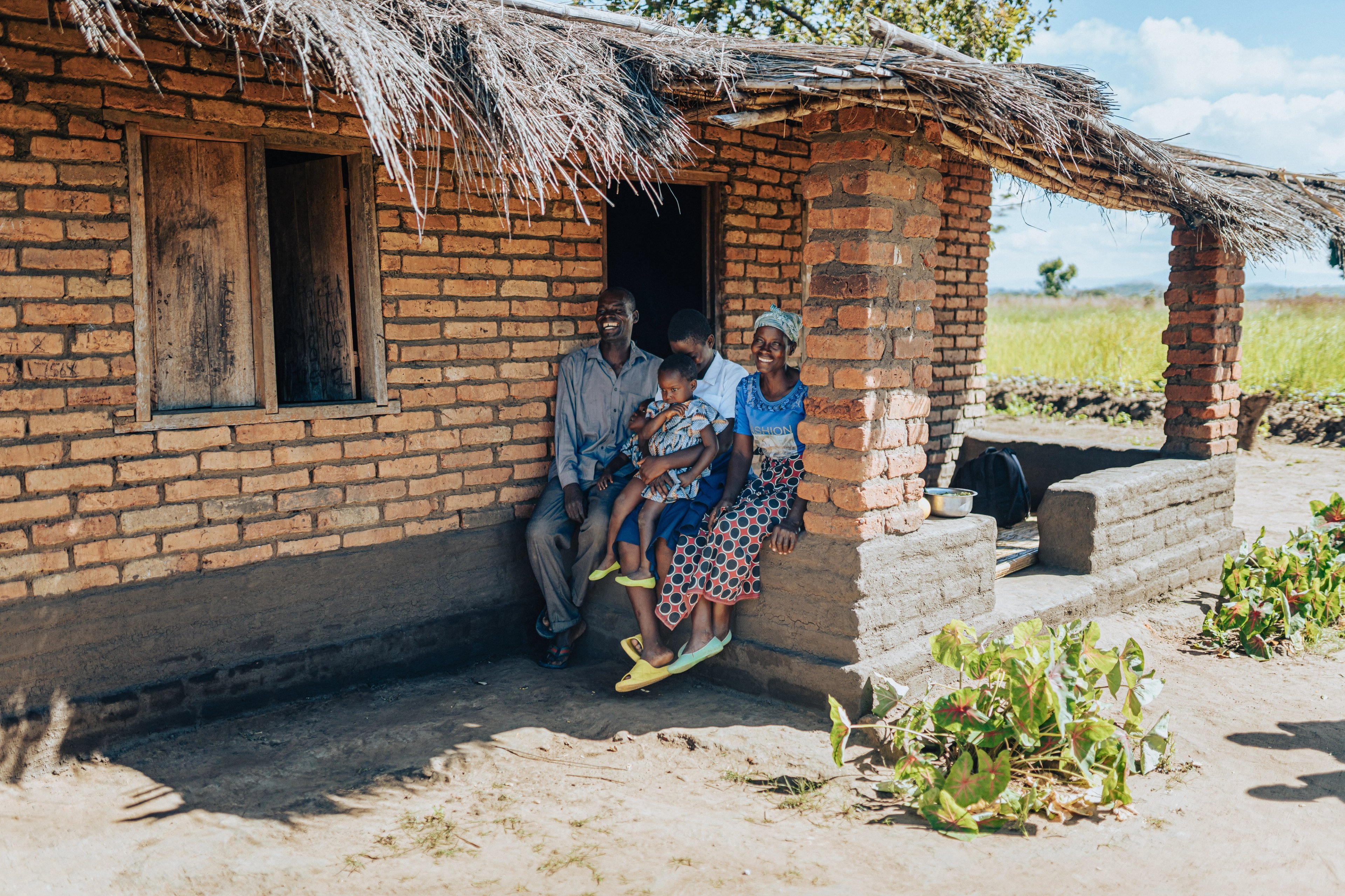
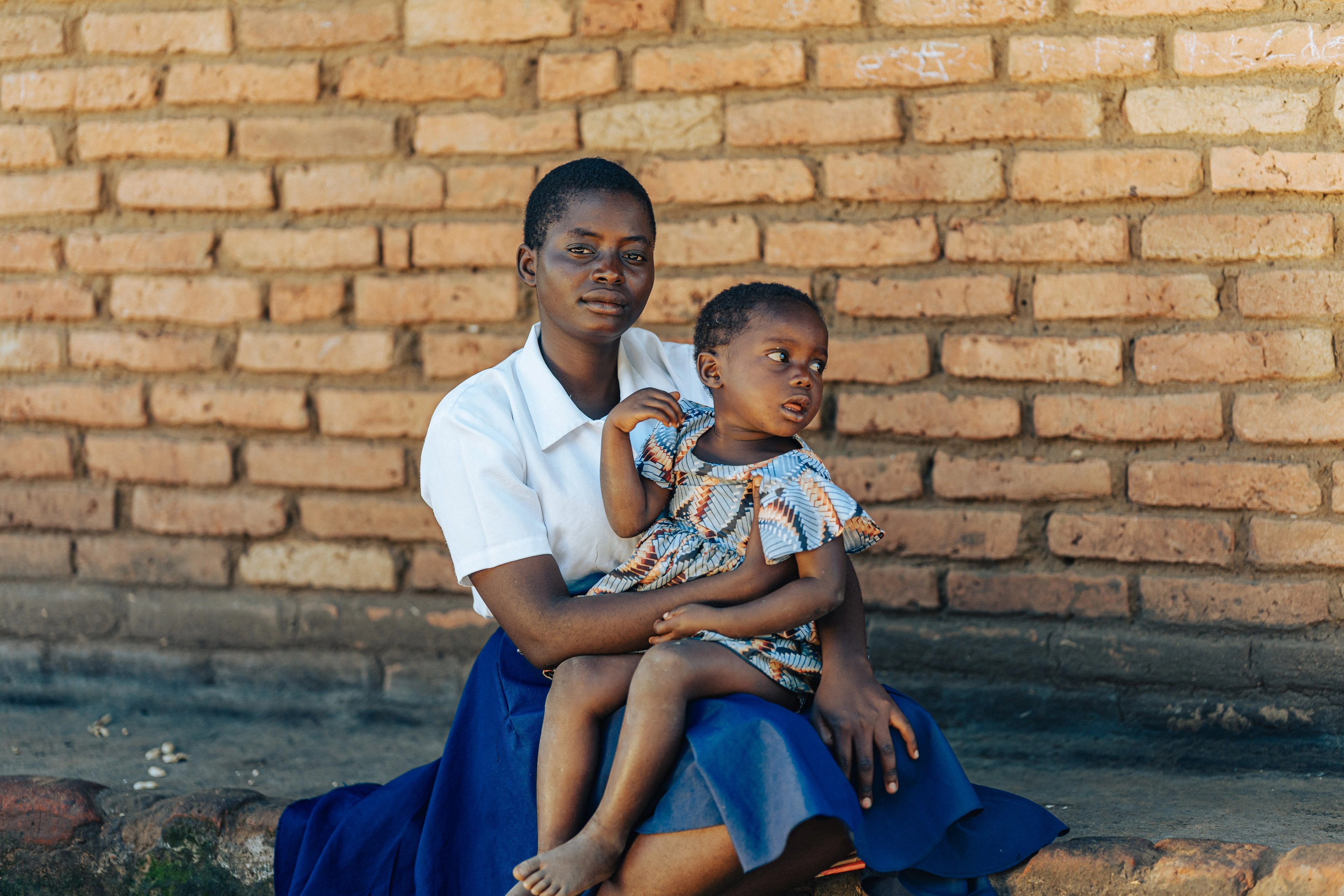
"Some people look down on me because I have a child. They talk to discourage me, but I’m unshaken by the noise. I didn’t lose my intelligence to motherhood.”
Approach
How the story was built
I led the narrative research, documentary photography, filmed interviews and knowledge-management process with adolescent mothers, parents, peer educators and people working across local support systems.
Outcome
The wider archive supports advocacy and learning without reducing participants to the challenges they experienced. Chinsinsi Banda's return to school reveals how family care, peer accompaniment and community support can keep a young mother's education within reach.
Credits
Full attribution is being prepared.