Visual Stories for Public Interest
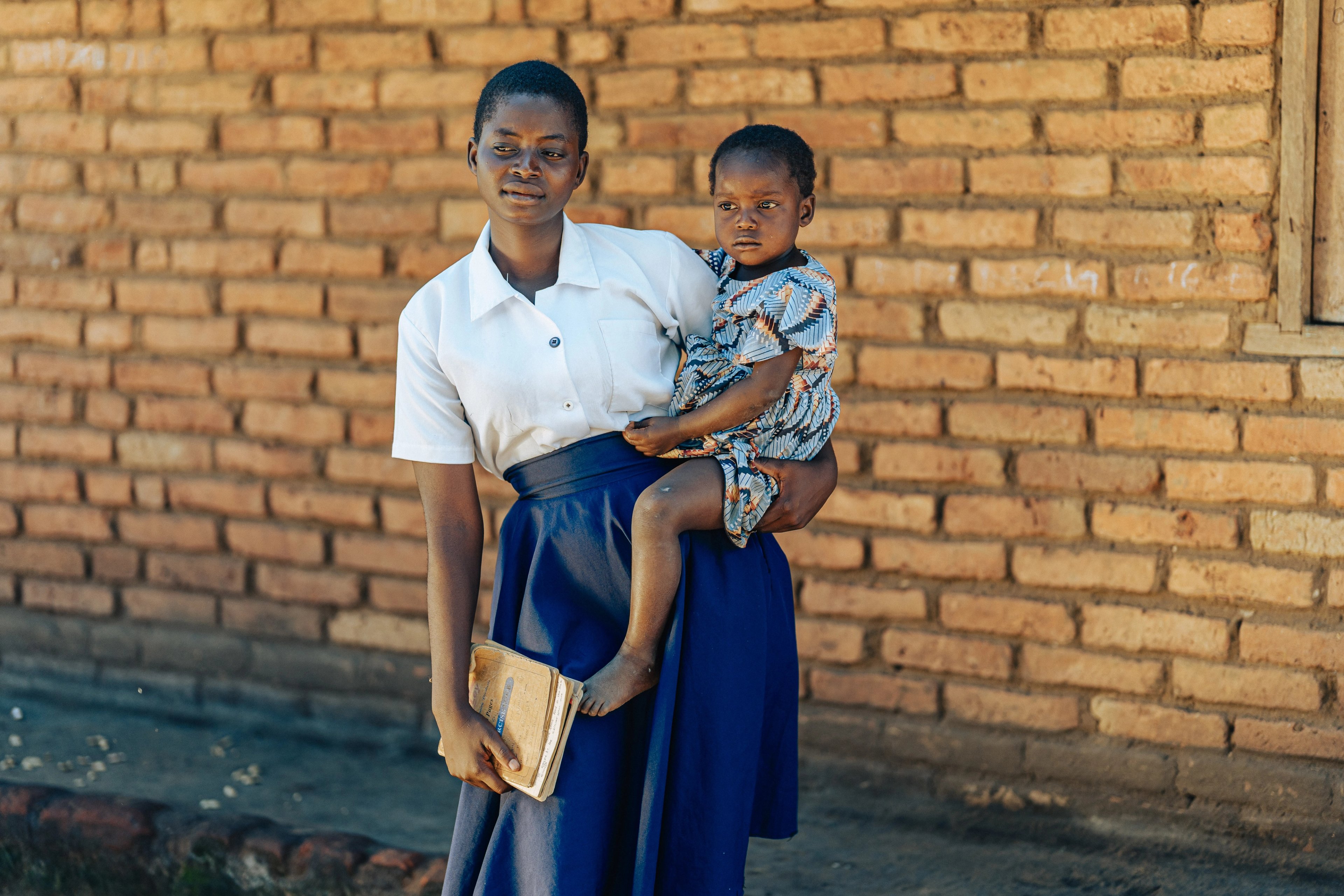
A body of work commissioned for public interest purposes — journalism, advocacy, cultural documentation, and civic communication. This work asks what...

- Client
- Various — to be confirmed
- Type
- Public Interest
- Year
- —
- Location
- Malawi and wider Africa
Intro
Understanding the story
A body of work commissioned for public interest purposes — journalism, advocacy, cultural documentation, and civic communication. This work asks what visual storytelling owes to the people it documents and to the public it serves.
Context
The wider context
Public interest work sits at the intersection of journalism, documentary practice, and civic responsibility. This body of work was produced with those overlapping obligations explicitly in view. [Placeholder: add specific commission details and publication contexts.]
The people documented in this body of work are not sources or subjects — they are human beings with their own perspectives on the events and conditions being documented. This work tries to honour that. [Placeholder: expand with specific observations from individual assignments.]
Editorial and public interest work creates particular tensions around consent, use, and benefit to the people documented. Each project in this body of work was approached with those tensions acknowledged and addressed. [Placeholder: add specific ethical details per project.]
Approach
How the story was built
Public interest documentary work requires both speed and depth — the ability to work within editorial constraints without losing what the story actually requires. The approach prioritised accuracy, dignity, and clarity at every stage. Each assignment began with a fundamental question: what does the public actually need to understand here, and what is the most honest way to help them understand it? Honesty was not incidental to the work — it was the method.
To document the world with integrity means to represent people and situations as they are, not as they are convenient to show. Public understanding depends on this commitment. Every editorial decision — what to include, what to omit, how to frame — was made in service of that responsibility. Accuracy was treated as a floor, not a ceiling, and dignity was extended to every subject regardless of circumstance.
[Placeholder: describe specific working methods and editorial processes.]
Outcome
To be confirmed. [Placeholder: replace with specific impact details when available.]
Credits
Full attribution is being prepared.